

Working at Height Regulations Explained
At Medway Access & Rescue, safety is our top priority.
Every rope access, rescue, or height safety project we deliver is carried out in full compliance with the
Working at Height Regulations 2005 (WAHR) — the UK legislation designed to prevent falls and protect workers operating above ground level.
What Are the Working at Height Regulations 2005?
The Working at Height Regulations 2005 (WAHR) apply to all work where there is a risk of a fall that could cause personal injury.
They place legal duties on employers, building owners, and contractors to plan, manage, and carry out all height-related activities safely.
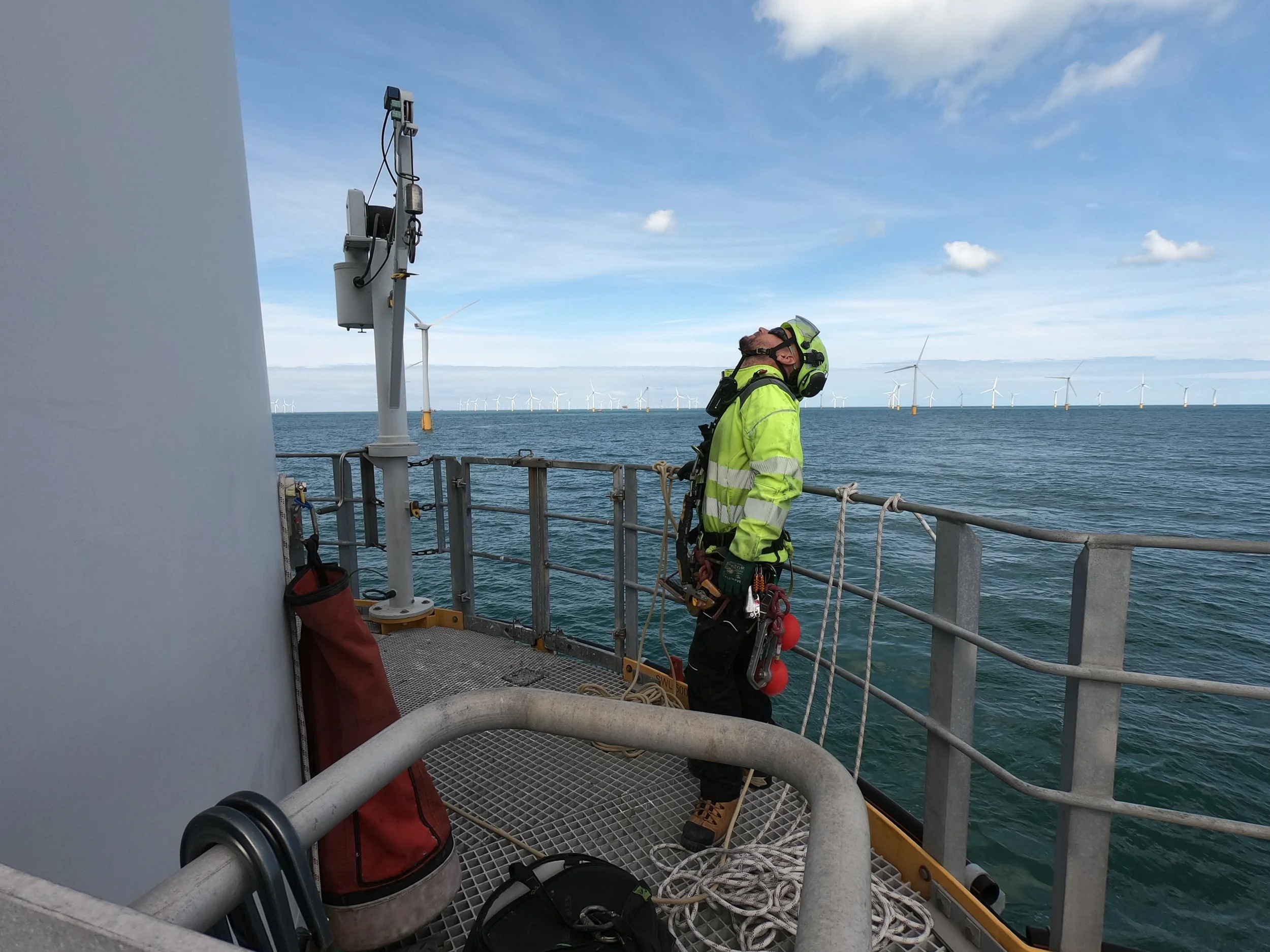
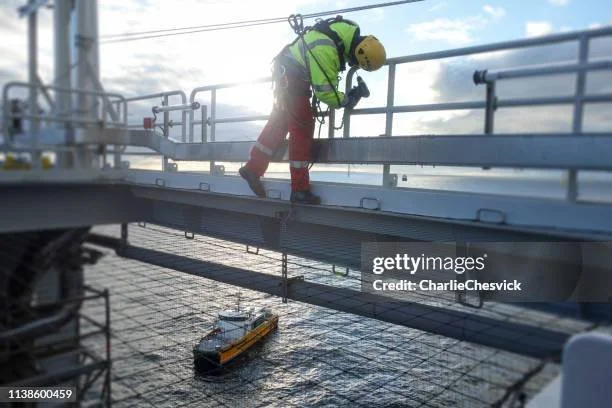
Whether you’re maintaining a high-rise façade or inspecting a structure using rope access, these regulations are the foundation of safe working practice.
Who Do the Regulations Apply To?
WAHR applies to:
Employers and self-employed persons working at height
Facilities and property managers overseeing maintenance or inspection work
Specialist contractors such as rope access technicians and rescue teams
Any business or organisation responsible for employees working where a fall risk exists
Key Principles of the Working at Height Regulations.
The regulations are built around the concept of avoiding, preventing and minimising risk:
Avoid working at height where possible. Consider safer alternatives such as remote inspection (e.g. drone surveys).
Prevent falls where work at height cannot be avoided. Use the right access equipment and fall protection systems.
Minimise consequences. Plan for emergency recovery and rescue in the event of a fall or incident.
Our Approach to Compliance.
At Medway Access & Rescue, compliance with WAHR is central to our operations.
All projects begin with a comprehensive risk assessment and rescue plan.
Our IRATA-qualified technicians follow strict method statements, maintain up-to-date certification and operate under Level 3 supervision.
How We Help Clients Meet WAHR Requirements.
Site-specific risk assessments and rescue planning
Supervision by competent, IRATA Level 3 technicians
Work-at-height training and safety briefings
Confined space and rope access rescue standby
Inspection and maintenance using compliant equipment and systems
Training and Competence.
The regulations emphasise the need for competent workers.
Our technicians undergo continuous training in rope access, confined space entry and emergency rescue.
We also assist clients in meeting their own duty of care by providing safety supervision, advice and documentation for audits and inspections.
Work at Height Regulations — At a Glance.
Applies to all industries where a fall risk exists
Requires planning, supervision and competence
Mandates use of appropriate access methods and safety systems
Requires employers to ensure equipment is inspected and maintained
Requires rescue and emergency procedures to be in place
Why Compliance Matters
Failing to follow WAHR not only risks serious injury — it can result in legal penalties and project shutdowns.
Working with a fully qualified partner like Medway Access & Rescue ensures your organisation meets every obligation while keeping teams safe and operations efficient.
Safety isn’t optional — it’s a professional responsibility.
Our team helps you navigate the regulations with confidence, whether you’re managing a construction project, industrial maintenance, or film production requiring safe height access.